











China's industrial "smart brains" gain global momentum
GoChina
2026.05.22 16:43:24 字號:
字號:
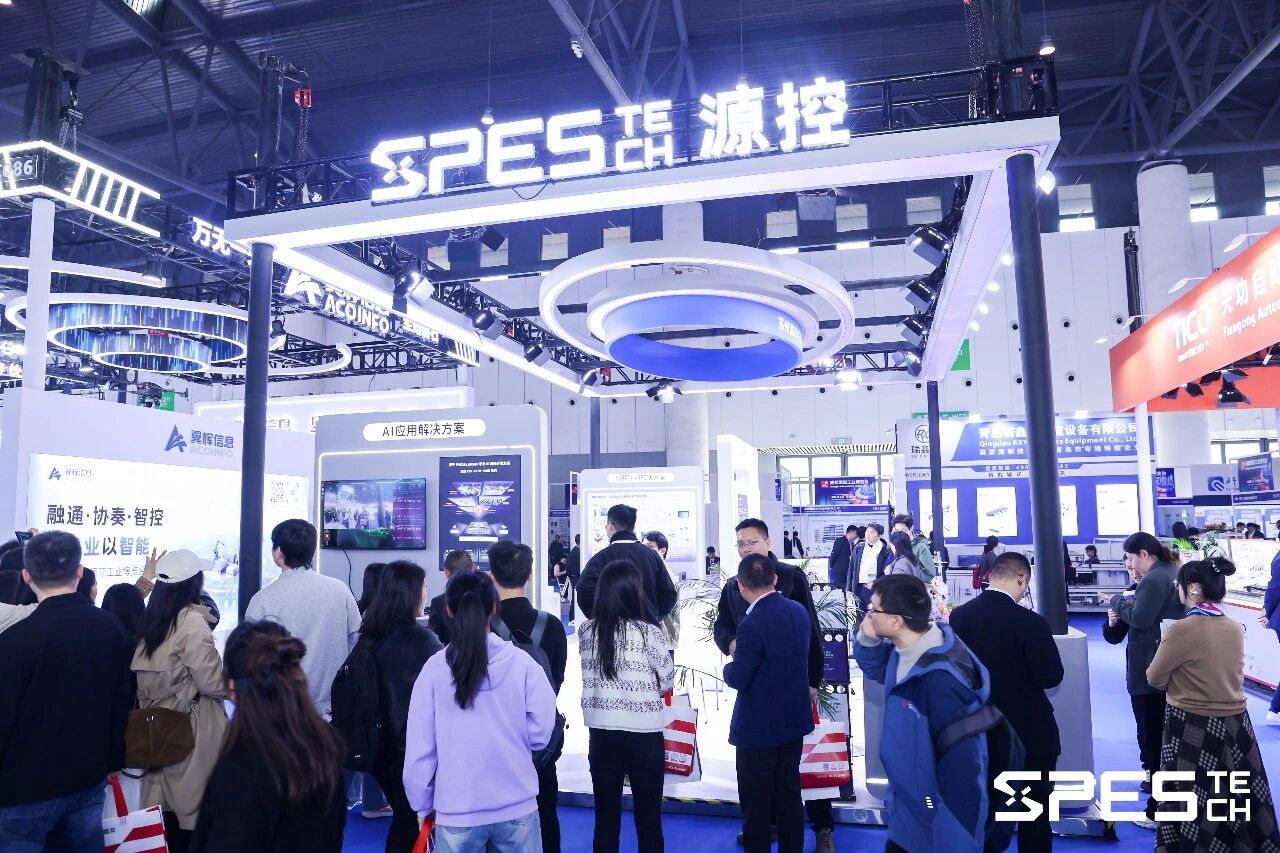
At Suzhou Yuankong Electronics Co., Ltd. (Spes Tech) in east China's Jiangsu province, engineers swiftly gathered around monitors when a sudden data fluctuation disrupted stable readings.
Within seconds, CPU utilization in a fully loaded industrial control computer dropped below 90 percent, signaling a possible cooling issue during pre-production validation.
For the company, such rigorous testing has become routine. Specializing in the research, development and manufacturing of industrial control computers, Spes Tech provides services to clients across multiple countries. In the first quarter of this year, its sales rose by more than 50 percent year on year.
Robust growth like this is driven by the accelerating push for intelligent upgrading, digital transformation and networked connectivity across a wide range of industries.
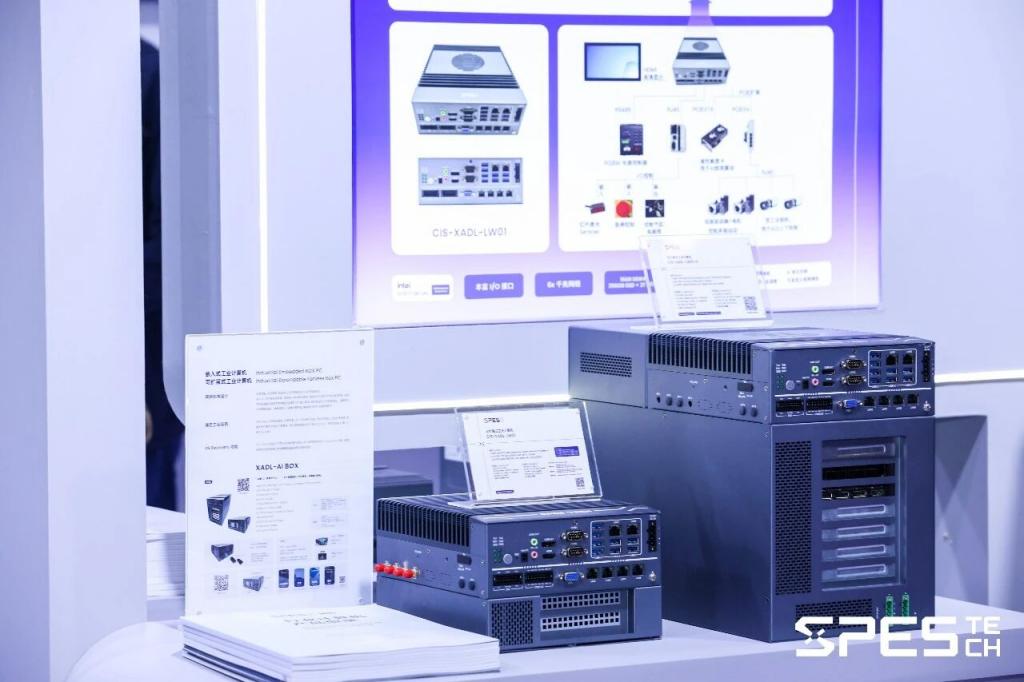
At Spes Tech, industrial control computers come in many forms, from palm-sized embedded devices to rack-mounted systems as large as printers, each designed for different industrial scenarios.
"Industrial control computers are essentially the 'brains' of modern industrial production," said Bao Yanfeng, from the strategic resources center of CVTE, the parent company of Spes Tech. "Their applications are extremely broad."
Unlike consumer electronics, industrial control systems must operate reliably under harsh conditions. Wang Qiang, head of Spes Tech's laboratory operations, explained that a high-quality industrial control computer must deliver not only strong computing power, but also outstanding operational stability.
The machines are expected to start reliably in temperatures as low as minus 40 degrees Celsius, continue operating in heat up to 70 degrees Celsius, and resist damage from dust, high humidity and strong electromagnetic interference, Wang added.
"Every step ahead in research and development and every improvement in product stability gives us greater confidence to expand into the market," Bao said.
Inside an environmental testing facility, rows of compact chambers serve as "trial grounds" before products enter mass production. Some simulate heat and humidity higher than those in tropical rainforests, while others simulate the frigid cold of polar extremes.
"Every product undergoes these stress tests before entering factory deployment," Wang notes. This commitment to reliability proved decisive when the company won a major contract requiring continuous operation under extreme heat for dozens of hours.
Bao said the company's development has also benefited from China's increasingly complete industrial and supply chain ecosystem.
One of Spes Tech's partners is Bozhon, a provider of high-end intelligent manufacturing solutions located in Suzhou's Wujiang district, just over half an hour's drive from Spes Tech. The proximity between industrial demand and technological supply has strengthened collaboration between the two companies.
As one of China's major hubs for the industrial control computer sector, Suzhou has built a comprehensive industrial chain covering everything from chips and core industrial software to system integration and end-user applications.
"When upstream and downstream companies are clustered nearby, supply chain coordination and technological collaboration become much more efficient. That is one of the biggest advantages for industrial development," said Hu Jing, director of the electronic information industry division of the Suzhou municipal industry and information technology bureau.
According to Hu, Suzhou is home to more than 13,000 industrial enterprises above designated size, who earn annual revenue of 20 million yuan ($2.94 million) and above from the main business.
The city invests 2 billion yuan in fiscal funding annually to support intelligent upgrading, digital transformation and industrial networking. More than 30,000 such projects have been implemented, creating abundant application scenarios for industrial control systems across industries including consumer electronics, automobiles, new energy, high-end equipment manufacturing and biomedicine.
Today, Spes Tech's production orders have already been booked several months in advance.
"We will continue refining technical details, overcome more industry bottlenecks and develop more reliable and advanced products, so that Chinese industrial control computers can go further globally," Bao said.
The rise of Chinese industrial control computers is no coincidence, but part of the broader transformation of China's manufacturing sector. In the first quarter of this year, the added value of China's high-tech manufacturing industries above designated size grew by 12.5 percent year on year, 3.1 percentage points faster than a year ago.
China's 15th Five-Year Plan(2026-2030) also calls for comprehensive efforts to empower all industries with digital and intelligent technologies. As the country's manufacturing sector continues to upgrade, market demand for advanced industrial equipment is expected to expand even further.


評論