










New business models inject vitality into China's "spring economy"
GoChina
2026.03.31 14:16:46 字號:
字號:
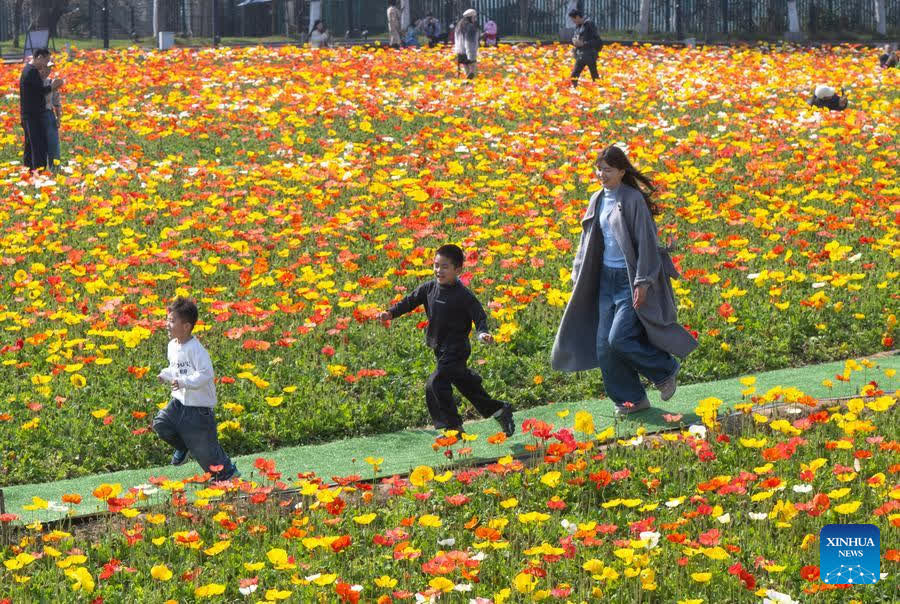
As temperatures go up across China, spring has arrived in most parts of the country, and seasonal consumption is heating up accordingly, giving rise to a vibrant "spring economy."
From fresh spring vegetables selling briskly on e-commerce platforms to innovative tourism experiences, new business models are injecting fresh vitality into the country's consumer market.
The booming sales of spring vegetables are emerging as a new growth point in the "spring economy." Chinese toon sprouts, bamboo shoots, and shepherd's purse -- spring vegetables are back on shelves across China, drawing shoppers eager for the taste of spring.
Some items are selling out within hours as fresh markets and online platforms see a surge in orders. Since mid-March, national search volume for spring vegetables on Meituan, a leading Chinese online e-commerce service platform, has risen 17.4 percent year-on-year, reflecting strong consumer enthusiasm for seasonal delicacies.
Beyond seasonal food consumption, spring-themed spending is expanding into tourism, dining and cultural activities, giving rise to a variety of new consumption scenarios.
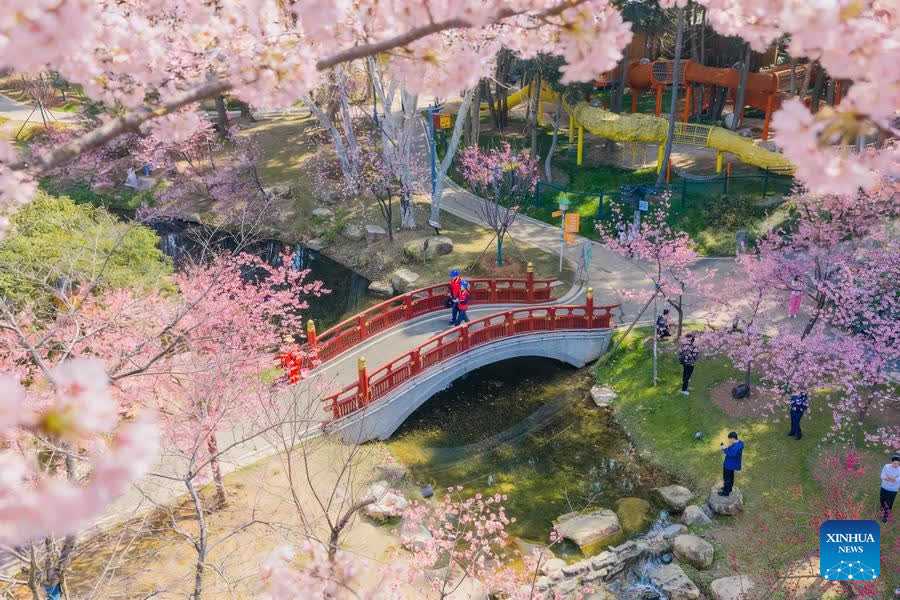
Across China, with the support of the "ticket-stub economy", traditional flower viewing is being upgraded into a "flower-viewing+" model, extending consumption beyond sightseeing into dining, retail, and cultural experiences.
The "ticket-stub economy," as its name suggests, is a trending consumption model in which tickets from cultural events, sports matches or transportation services can be used to access discounts, redeem points or unlock other benefits in subsequent spending.
During the WTT Champions Chongqing 2026 event in southwest China's Chongqing Municipality, table tennis fans paired matches with spring outings, using tickets for discounts at local tea gardens, restaurants, and scenic spots, turning a single ticket into a gateway to diverse experiences.
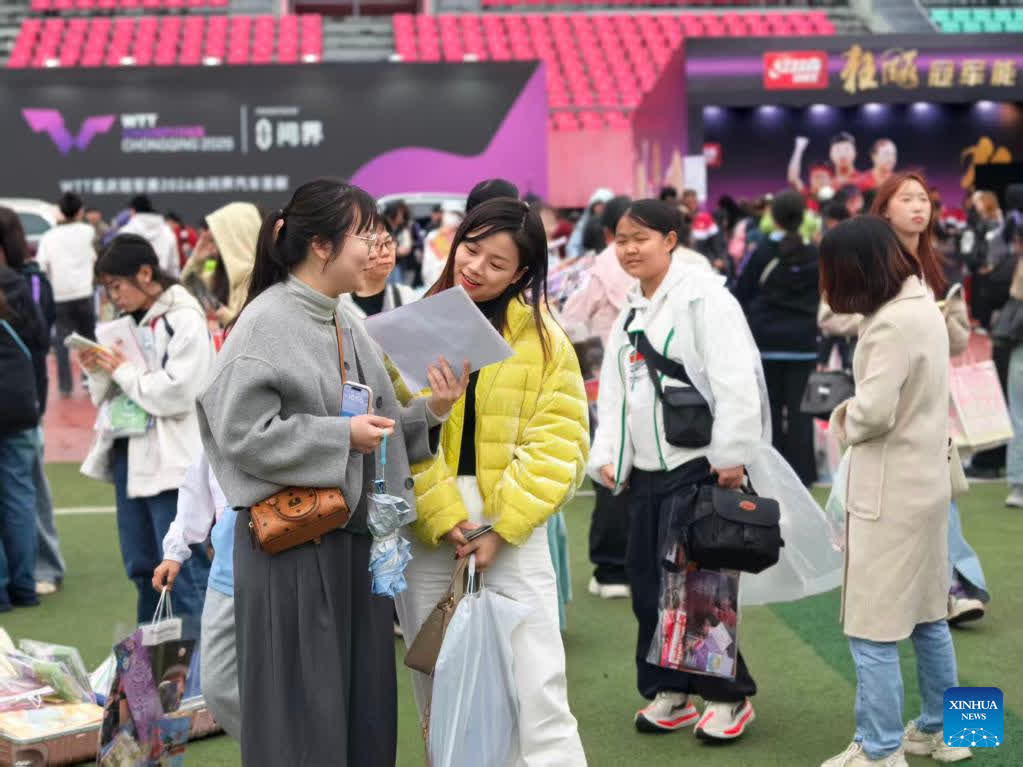
"We watched the games and then visited tea plantations to enjoy blossoms and tea-making with one ticket," said Luo Hao, a local visitor. The integrated model has also boosted local spending. A restaurant offering ticket-based discounts reported a threefold increase in table turnover during the event.
Beyond event-driven consumption, the "flower-viewing+" model now extends into everyday dining. Spring is increasingly being "tasted" through the growing popularity of flower-themed cuisine.
In Kunming, the capital of southwest China's Yunnan Province, restaurants add seasonal edible flowers to their menus, serving "Yunnan-style flower set meals" with local ingredients.
"Dishes such as golden-flower omelets, banana flower stir-fries, and flower hot pots are our spring specialties," said Li Ao, manager of a restaurant in Kunming. Businesses are also organizing activities such as "flower banquets" and food education sessions to boost springtime consumption.
Meanwhile, new models like low-altitude flower viewing create fresh consumption scenarios. In Jintang County of Chengdu, the capital of southwest China's Sichuan Province, where more than 220,000 mu (about 14,700 hectares) of rapeseed fields have entered peak bloom, low-altitude sightseeing programs featuring hot air balloons offer visitors panoramic views of the golden landscape.
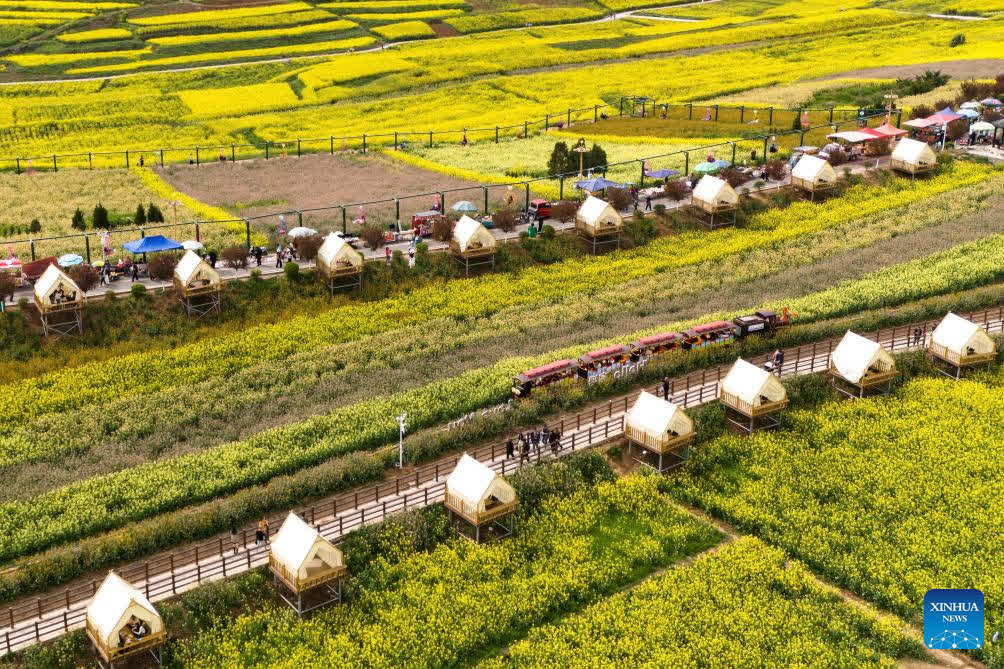
The aerial sightseeing experience is often combined with local markets, intangible cultural heritage performances and specialty food consumption, creating a richer spring tourism experience and attracting more visitors during the season.
As cities continue to explore innovative ways to combine seasonal scenery with tourism, dining and cultural activities, China's "spring economy" is emerging as a new driver of consumption and economic vitality.

評論