










Horse motifs in China's intangible cultural heritage
GoChina
2026.02.08 09:39:17 字號:
字號:
In Chinese culture, the horse is widely regarded as a symbol of vitality and the enduring spirit of progress.
When this zodiac sign meets traditional intangible cultural heritage, it inspires a rich variety of artistic expressions, ranging from horse-themed paper-cuttings and clay figurines to the morin khuur(horsehead fiddle) and the horse-tail embroidery of the Shui ethnic group.
Here are six examples of intangible cultural heritage that feature horse motifs.
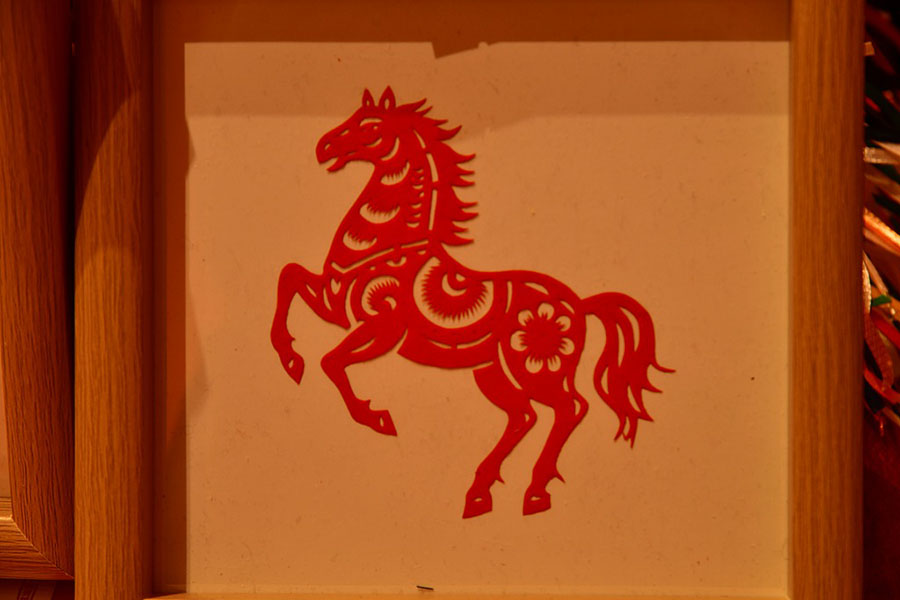
Chinese paper-cutting— UNESCO world intangible cultural heritage
Paper-cutting is a traditional folk art that uses scissors or knives to create decorative patterns. Widely practiced in China, it adorns daily life and festivals.
As the Year of the Horse approaches, horse-themed paper-cuttings are crafted nationwide to welcome Spring Festival.
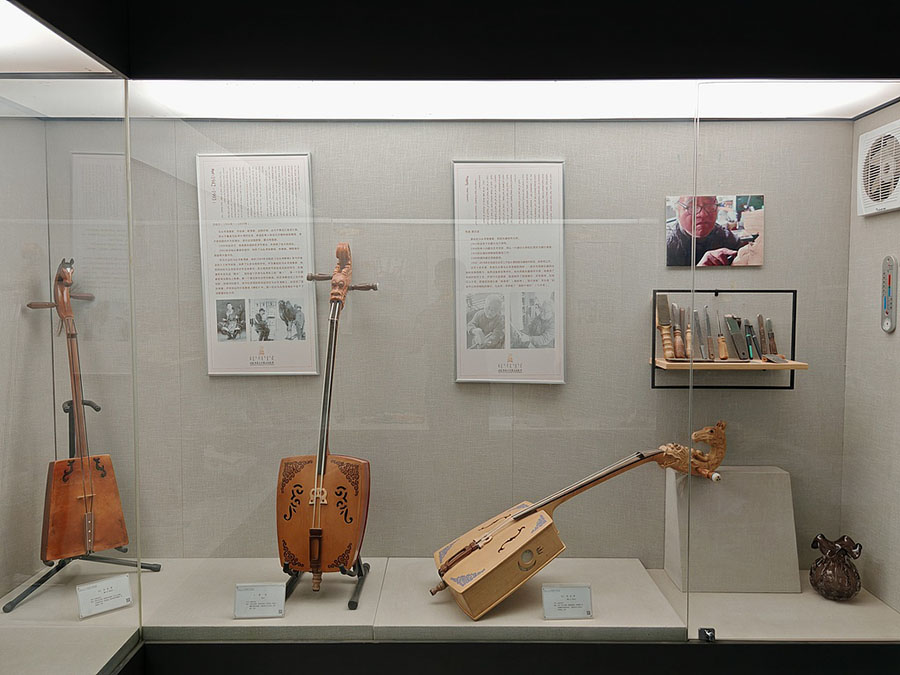
Morin khuurcraftsmanship — national intangible cultural heritage
The morin khuur, or horsehead fiddle, is a traditional bowed instrument of the Mongolian ethnic group, named for the horsehead carved on its neck. Its flowing, yet deep tone evokes the vast spirit of the grasslands.
In 2008, the traditional music of the morin khuur was inscribed on UNESCO's Representative List of the Intangible Cultural Heritage of Humanity.
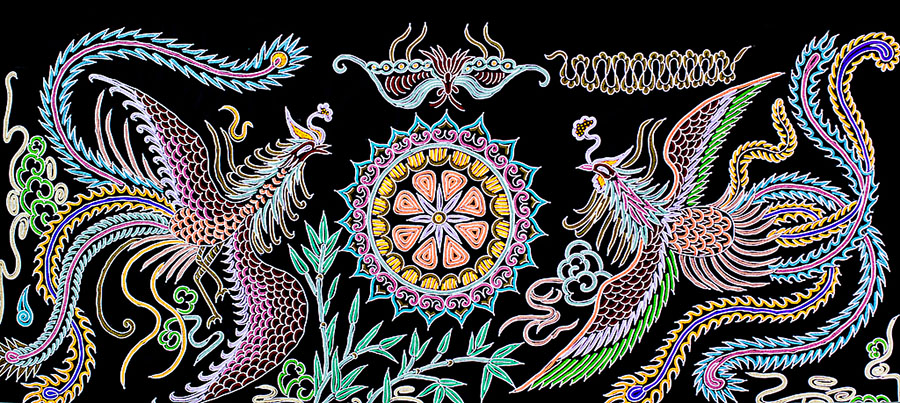
Shui horsetail embroidery — national intangible cultural heritage
Shui horsetail embroidery is a traditional craft passed down among the Shui people in Sandu Shui autonomous county, Guizhou province, using horsetail hair as a key material.
The embroidery features subtle relief effects and bold, abstract designs, typically used for baby carriers and embroidered shoes.

Clay Figurine Zhang — national intangible cultural heritage
Tianjin Clay Figurine Zhang, a major clay-sculpture school in northern China, was founded by Zhang Mingshan (1826-1906) in Tianjin during the Qing Dynasty (1644-1911). With nearly 200 years of history, its subjects range from lifelike figures to Chinese zodiacand historical stories.
The age-old art form bridges tradition and innovation, bringing clay sculpture from temples into everyday life.

Dough figurine — national intangible cultural heritage
Dough figurines, or dough modeling, made from flour and glutinous rice flour, date back over 1,300 years.
Often depicting animals, myths and historical stories, they are finely crafted and treated to prevent cracking, insects and mold. The artworks offer valuable insight into Chinese folk customs and art.
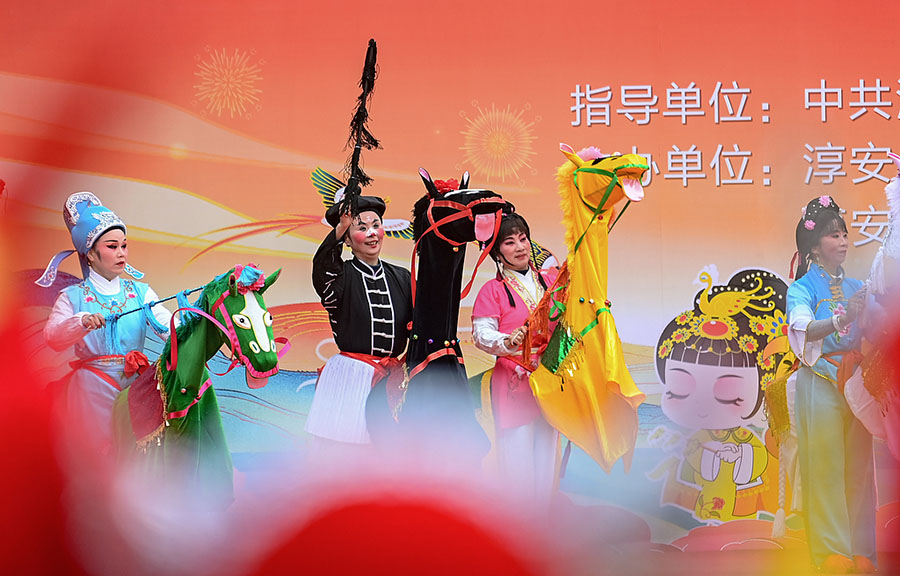
Bamboo Horse — national intangible cultural heritage
Zhuma dance, or bamboo horse dance, is a traditional folk performance dating back to the Tang (618-907) and Song (960-1279) dynasties, often staged during festive occasions such as Spring Festival.
Wearing bamboo horse props at their waists, dancers in traditional attire move in riding poses. Drawing on themes from everyday life, the dance has a vivid, down-to-earth charm.


評論