












GangAoPing: Live up to expectations with outstanding achievements, seize the momentum for the journey ahead
大灣區·大未來
2026.01.01 08:37:06 字號:
字號:
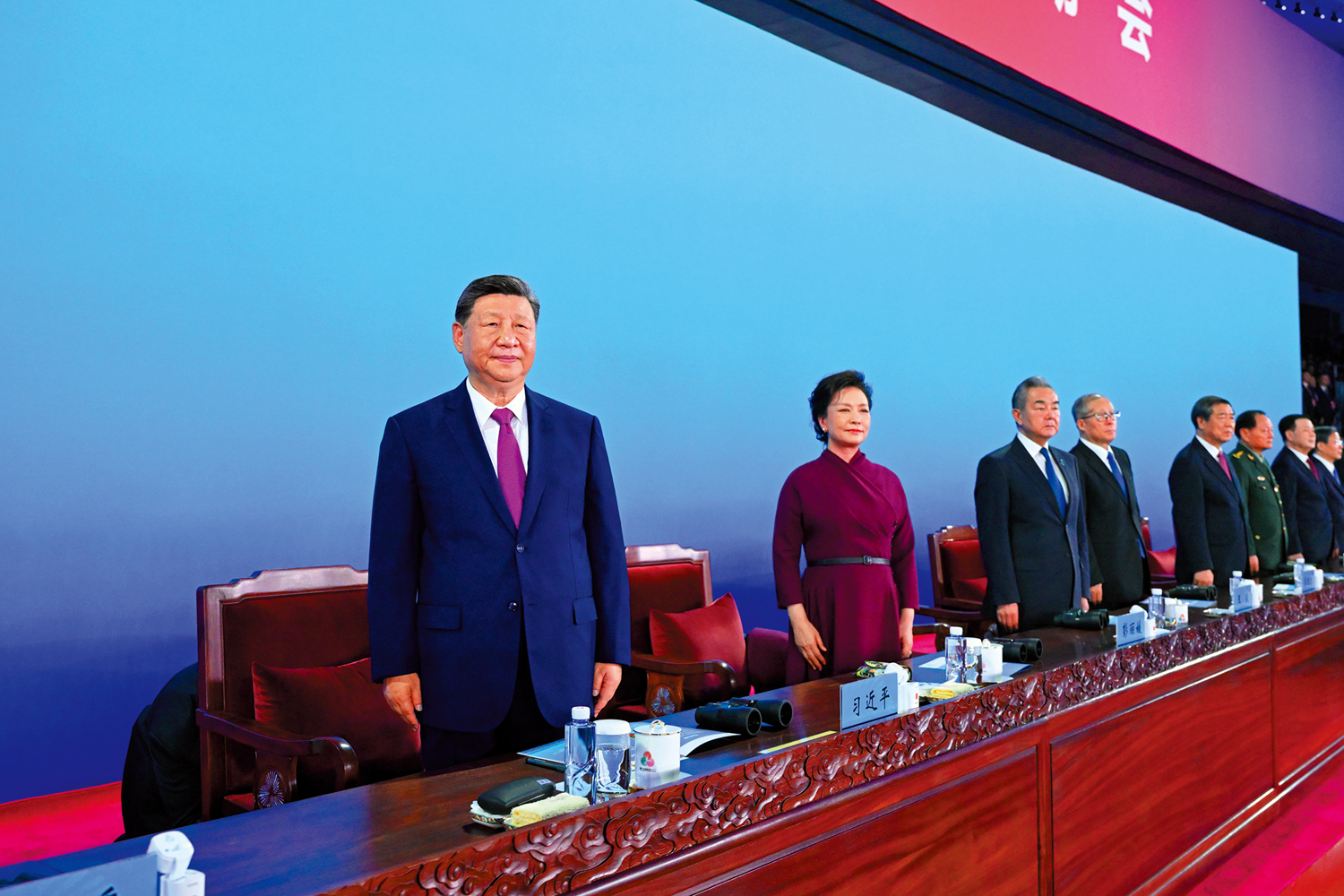
President Xi Jinping stated in his 2026 New Year message: "Not long ago, I attended the opening ceremony of the National Games, and I was glad to see Guangdong, Hong Kong and Macao coming together in unity and acting in unison. We should unswervingly implement the policy of One Country, Two Systems, and support Hong Kong and Macao in better integrating into the overall development of our country and maintaining long-term prosperity and stability." His warm and thoughtful remarks conveyed deep care, firm support and earnest expectations, bringing a strong sense of reassurance, encouragement, and confidence to Hong Kong and Macao society, just as they do to all other people across the country.
President Xi Jinping has always cared deeply about the development of Hong Kong and Macao.At events marking the 25th anniversary of Macao's return to the motherland, President Xi Jinping delivered a series of speeches reviewing the successful practice of One Country, Two Systems and set out a clear and forward-looking blueprint for its continued implementation, providing strategic guidance for the future development of both regions. During his attendance at the opening ceremony of the 15th National Games jointly hosted by Guangdong, Hong Kong and Macao, and during his inspection tour of Guangdong, President Xi Jinping further underscored the importance of deepening cooperation among Guangdong, Hong Kong and Macao, and of supporting Hong Kong and Macao to better integrate into as well as serve the country's overall development.
Under President Xi Jinping's leadership and guidance, the Hong Kong and Macao special administrative regions (SARs) have lived up to expectations and moved forward in unity.Over the past year, Chief Executives John Lee and Sam Hou Fai, together with the governments of the two SARs, have brought together all sectors of society to meet difficulties head-on and forge ahead with determination. They have firmly safeguarded national sovereignty, security and development interests; ensured that Hong Kong and Macao are administered by patriots; improved governance capacity and effectiveness; and strived for a vibrant economy, pursued development, promoted reform and improved people's livelihood. Through greater alignment with national development strategies and ongoing efforts to boost international competitiveness, the SARs have moved their development to a higher level.
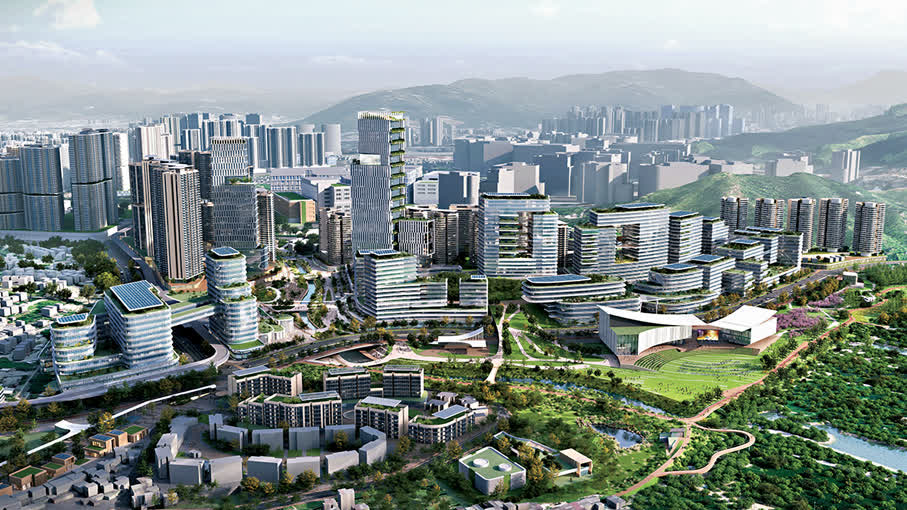
Hong Kong's economy demonstrated strong resilience and vitality, with accelerated progress in the Northern Metropolis.Hong Kong ranked third globally in the Global Financial Centres Index, returned to top three in the World Competitiveness Yearbook 2025, and recorded a major rise in World Talent Ranking 2025, making it fourth globally and first in Asia. The Hang Seng Index rose by 27.8 percent over the year, while the scale of Hong Kong IPOs tripled year on year, ranking first globally. The number of Hong Kong companies with overseas or mainland parent companies increased to a record high of nearly 10,000. Visitor arrivals exceeded 45 million in the first 11 months of 2025, up 12 percent year on year. The headquarters of the International Organization for Mediation was established in Hong Kong, while the Asian Infrastructure Investment Bank and the International Institute for the Unification of Private Law announced plans of opening offices in the city. Development of the Northern Metropolis advanced at an accelerated pace through innovative approaches, with the Hong Kong Park of the Hetao Shenzhen-Hong Kong Science and Technology Innovation Cooperation Zone officially starting operations.
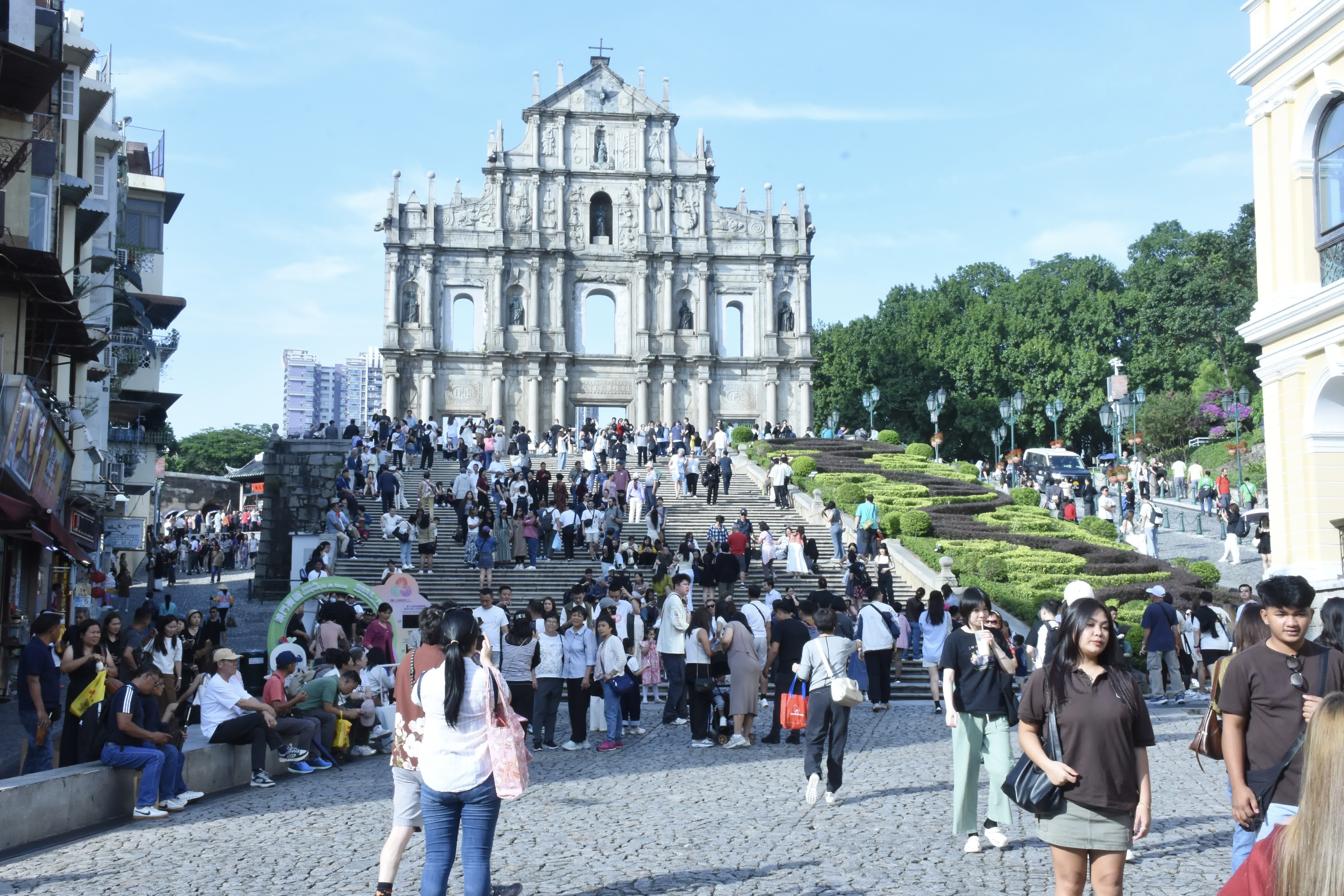
Macao made solid economic diversification progress, alongside faster and higher-quality development of the Guangdong-Macao In-Depth Cooperation Zone in Hengqin.Macao's per capita GDP remained among the highest in the world. The integrated tourism and leisure sector staged a strong recovery, with 36.49 million inbound visitors recorded in the first 11 months, up by 14.4 percent year on year. Traditional Chinese Medicine and healthcare, modern finance, high-tech industries, the meeting, incentive, conference and exhibition (MICE) sector, commerce and trade, and culture and sports, among other industries, expanded rapidly. The total value of bonds listed or issued in Macao exceeded 1 trillion patacas equivalent, and Macao was named "Best Conventions Destination (Asia)" for the third consecutive year. Major breakthroughs were achieved in the development of the Guangdong-Macao In-Depth Cooperation Zone in Hengqin: By the end of October, Macao-invested business entities in Hengqin grew by 15.7 percent year on year, start-ups founded by young people from Macao rose by 22.3 percent, and more than 25,000 Macao residents were living in the cooperation zone, up by 16.7 percent year on year.
Notable progress was made in improving people's livelihoods in Hong Kong and Macao, delivering strong and tangible results.In Hong Kong, measures such as the rollout of Light Public Housing significantly shortened public housing waiting times, while the accelerated development of Community Living Rooms markedly improved living conditions for grass-roots residents. The implementation of an annual review of the Statutory Minimum Wage rate and the abolition of the mandatory provident fund offsetting arrangement strengthened protection for workers' rights and interests. Hong Kong opened its first Traditional Chinese Medicine hospital and added several cross-boundary elderly care facilities. For the 10th-consecutive year, the people in Hong Kong have enjoyed the world's longest life expectancy. District governance continued to improve, with District Councils, Care Teams, and the "three district committees" (i.e. the Area Committees, the District Fight Crime Committees and the District Fire Safety Committees) providing attentive and people-centered services to the public. In Macao, the two-tier social security system was further strengthened, the wealth partaking scheme was reformed, public housing policies were optimized, and public healthcare services were enhanced, ensuring better care and support for vulnerable groups.
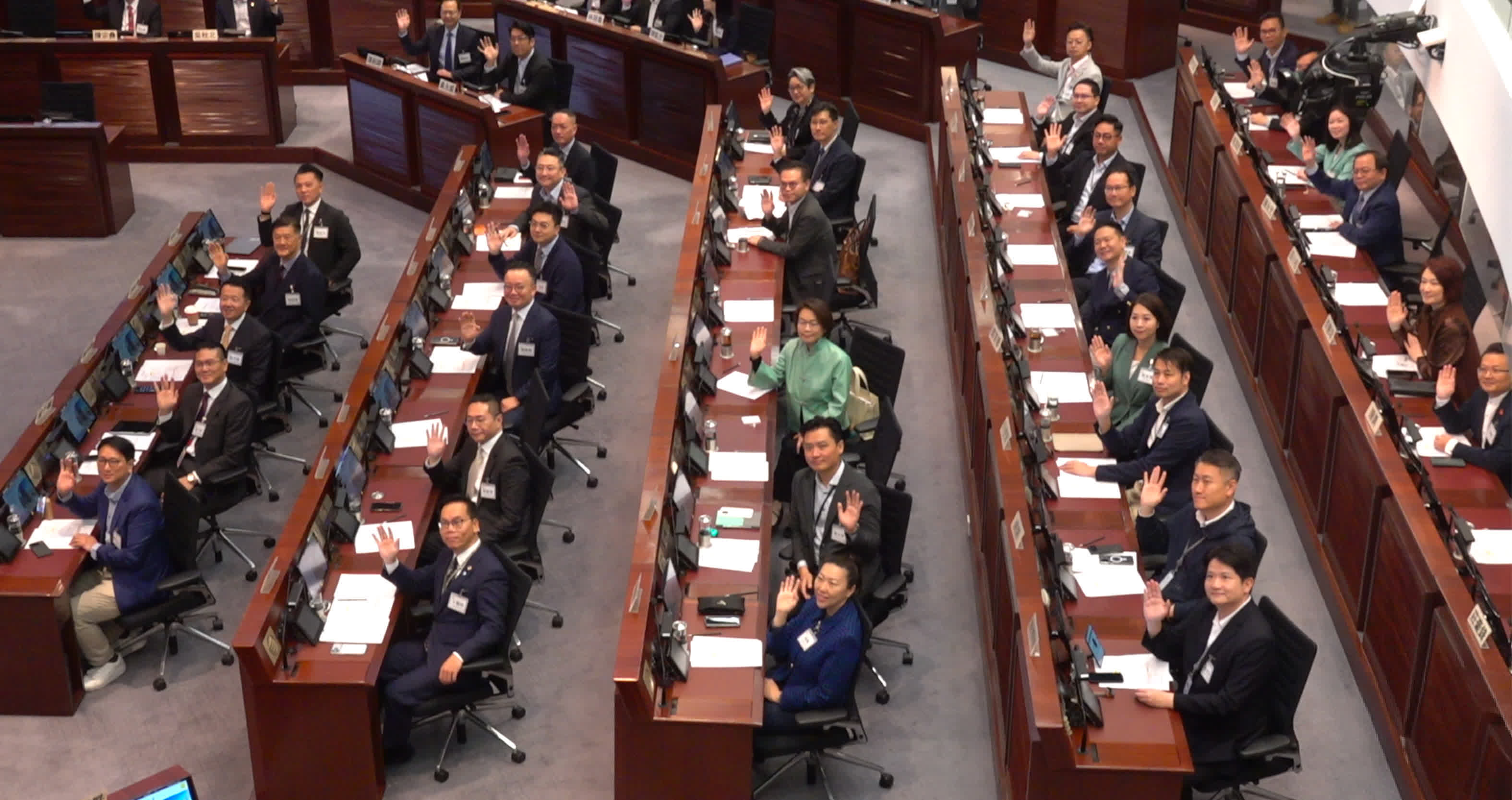
The eighth Legislative Council election in Hong Kong and the eighth Legislative Assembly election in Macao were successfully concluded.The chief executives and SAR governments introduced a range of innovative measures to improve election organization, publicity, and public engagement. They acted firmly and effectively to prevent interference and disruption by anti-China elements and the external hostile forces behind them, thwarting attempts to exploit emergencies to destabilize the region. Voters from all walks of life took part actively, while candidates competed on the basis of their policy initiatives, capability, and public credibility. Civil servants set an example by voting, and turnout was strong across all age groups, from first-time voters who had just reached the legal voting age to seniors in their 90s. Overall voter turnout exceeded that of the previous elections, reflecting a broad representation of public opinion. The newly elected legislators have gained wide recognition across society. These two elections clearly demonstrated the strengths and effectiveness of the new electoral system and marked a milestone in consolidating and advancing high-quality democracy that is aligned with the One Country, Two Systems, consistent with the Constitution and the Basic Laws of Hong Kong and Macao, and suited to the realities of the two SARs.
Hong Kong and Macao took firm and decisive actions to safeguard national security, ensuring that crimes endangering national security were punished in accordance with the law.The two SARs fully and faithfully implemented national security laws and effectively fulfilled their constitutional responsibility to safeguard national security. Law enforcement and judicial personnel carried out their duties with resolve, preventing, stopping and punishing acts that endangered national security strictly in accordance with the law. The Hong Kong SAR courts lawfully convicted Jimmy Lai for crimes endangering national security, sending a clear message in defense of the rule of law and justice. Namely, that any attempt by external forces to interfere with Hong Kong's legal system is bound to fail.
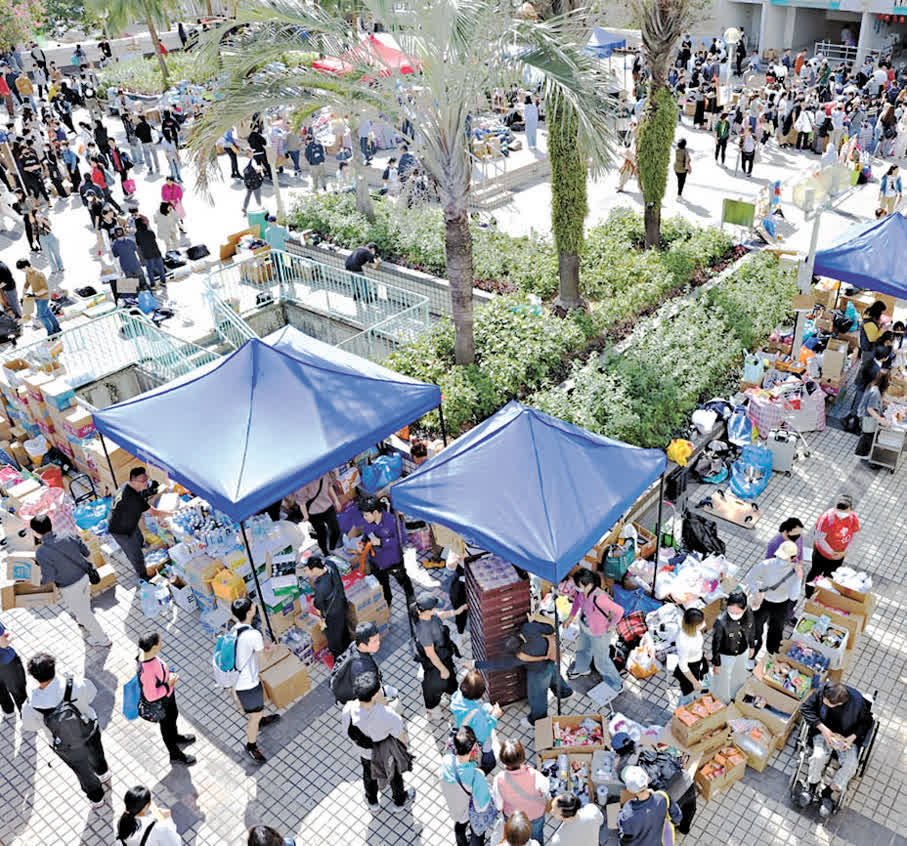
Hong Kong responded effectively and decisively to a major fire, demonstrating unity and resilience in the face of adversity.In November 2025, the sudden fire that broke out in Tai Po caused serious harm and distress to Hong Kong society. President Xi Jinping showed great concern for the incident and immediately sought updates on the rescue efforts and casualties. He expressed condolences to those who lost their lives and to the firefighter who died in the line of duty, extended his sympathy to the families of the victims and all those affected by the disaster, and urged all-out efforts to extinguish the fire and minimize casualties and losses. The Hong Kong SAR government responded swiftly, racing against time to carry out rescue and relief operations with professionalism and efficiency. Firefighter Ho Wai-ho gave his life while bravely battling the blaze and saving others. People from all walks of life in Hong Kong came together in solidarity, offering financial support, practical help and countless acts of kindness, fully demonstrating the city's unity, resilience, and the enduring "Lion Rock Spirit." Relevant central authorities and regions across the country provided timely assistance and strong support. All affected residents have now been properly resettled, and follow-up arrangements are progressing steadily. Once again, the collective response embodied the deep bonds among compatriots and powerfully illustrated the spirit of mutual aid—when a disaster strikes in one location, help comes from all quarters.
The extraordinary journey of 2025 deserves to be remembered, while the fresh new opportunities of 2026 inspire us to move forward with renewed resolve. The fourth plenary session of the 20th Central Committee of the Communist Party of China has set out top-level planning and strategic direction for national economic and social development during the 15th Five-Year Plan period (2026-2030). It reaffirmed the unwavering commitment to the policy of One Country, Two Systems, under which the people of Hong Kong administer Hong Kong and the people of Macao administer Macao, both with a high degree of autonomy, and emphasized the importance of safeguarding the long-term prosperity and stability of Hong Kong and Macao. The formulation and implementation of the 15th Five-Year Plan will bring significant new opportunities for the development of the two SARs.
We are confident that in the year ahead, with the full support of the central government and the Chinese mainland, the governments of the Hong Kong and Macao SARs will unite and lead all sectors of society to proactively align with the 15th Five-Year Plan, give full play to their unique strengths and important roles, and better integrate into and serve the overall national development strategy. In doing so, Hong Kong and Macao will achieve new and greater progress, and make even greater contributions in the grand journey of building a great country and advancing national rejuvenation on all fronts through Chinese modernization.


評論